I recently had the pleasure of joining Ed Collupy, principal at Collupy Systems Solutions, LLC and CTVG advisor and facilitator, on Behind the Counter, a podcast presented by Kitestring Technical Services and recorded live at the NRF Show. Vicente Yañez, host and senior system engineer at Kitestring Technical Services, welcomed us for a candid conversation about what is actually holding retailers back from meaningful technology progress.
The result was a refreshingly grounded discussion that the biggest challenge in retail technology right now is not AI or cybersecurity, it is integration.
The Number One Need: Integration
Following VGN’s November Global Summit, Ed surveyed CTVG members to identify their top priorities heading into 2026. The answer was unambiguous: improved integration, meaning getting the platforms retailers already have to work together efficiently and simply at the store level.
As I put it during our conversation, the goal is not for every vendor to do everything. The goal is for each solution to play to its strengths and connect seamlessly with the rest of the ecosystem. That sounds straightforward, but the reality inside most retail operations is far messier.

The "Messy Middle" and the Myth of the Big Bang Rollout
One of the most useful concepts to emerge from the episode was what Vicente calls “the messy middle,” the transition period when a retailer is running old and new systems simultaneously, managing manual workarounds, and trying not to break financials, operations, or supply chain in the process. It is the gap between where you are and where you want to be, and it is where most technology initiatives quietly struggle.
Ed and I both pushed back on the idea that transformation happens in one sweeping move. The more realistic and more sustainable approach is what I called “incrementality,” or building toward a strategic vision in deliberate, quality-driven steps rather than betting everything on a single platform for a decade. Retailers who are already deep in a POS implementation, Ed noted, are often already thinking about what comes next, and that forward-looking mindset is exactly the right one.
The old model of a 10-to-12-year ROI commitment to a single system is giving way to something more agile, where the question is not just whether a solution works today, but whether it gives the organization the flexibility to keep moving forward.
The Human Factor Is Non-Negotiable
The conversation kept returning to a point that is easy to overlook in a technology-heavy discussion, which is that none of this works without people. Ed was direct about it, noting that technology exists to help humans perform better, not to replace human judgment. When AI tools or new platforms are deployed without adequate governance, critical thinking, or frontline input, the results tend to disappoint.
Ed and I both stressed the importance of cross-functional buy-in. The best technology implementations we have seen are ones where IT leaders invite peers from marketing, operations, and even store-level staff into the planning process early, not just for feedback, but because execution is dramatically easier when everyone understands what is in it for them. The flip side matters too. Headquarters teams need to spend time in the store, seeing how technology actually performs when a real customer is standing at the register.
A Word on AI Governance
While Ed and I agreed that AI is far more than a buzzword, we were equally clear that handing the wheel over to any AI system without oversight is a mistake. As AI models become smaller and more capable of running at the edge, meaning directly at the store level, the questions around data governance, PII, PCI compliance, and security become more urgent, not less. The organizations that will navigate this well are the ones with experienced technology leaders who understand both the opportunity and the exposure.
Be sure to watch the entire episode to catch the full conversation.
MORE FROM VGN
Latest Vision Reports from VGNBROWSE VISION REPORTS
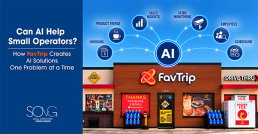
Can AI Help Small Operators? How Favtrip Creates AI Solutions One Problem at a Time
The September SOVG Vision Report explores how a small operator built practical AI tools to catch billing errors, streamline invoice reconciliation, spot trending products, and improve hiring, while offering a clear roadmap for other operators to start small, stay disciplined, and free up time for growth.

Strait Talk: The Outlook for the Global Energy Market
The Outlook for the Global Energy Market The September CLVG Vision Report examines a global energy market reshaped by refining capacity losses rather than crude oversupply. Analysts weigh hurricane risk against record refinery run rates, an uncertain Strait of Hormuz, and unpredictable Chinese demand, while offering strategies for retailers to diversify fuel supply and prepare for volatility.

From Signal to System: How C-Store IT Leaders Are Turning Data Into Operational Intelligence
The CTVG July Vision Report examines how c-store IT leaders can move beyond collecting and connecting data to building trustworthy infrastructure and leveraging AI to turn operational signals into actionable business insights. Topics include semantic layers, data governance, AI prompting best practices, hallucination risks, and real-world retailer experiments already delivering results.
Latest VGN Lens Articles
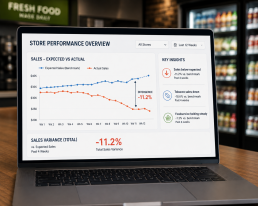
A Local Problem, and a Local Answer
Illegal tobacco sales often stay hidden in store data until losses are already severe. Operators can build an expected sales benchmark from existing POS data to catch illicit trade intrusion early, then turn that customer loss into a foodservice growth opportunity.

NACS Convenience Summit Europe in Warsaw Poland
Myra Kressner reflects on attending the NACS Convenience Summit Europe in Warsaw, Poland, where networking with VGN members and global retailers, along with store tours across fuel stations, convenience chains, and foodservice concepts, reinforced how customer experience and destination shopping continue to shape convenience retailing worldwide.
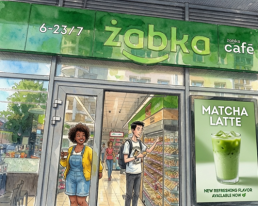
Generation Żabka: The Next Wave of Convenience
Lonnie McQuirter recounts a visit to Żabka Group's Warsaw headquarters, examining how the Polish convenience giant built retail media, app-based loyalty, and autonomous Nano stores into new growth engines. McQuirter draws transferable lessons for independent operators, from auditing fixed assets to finding the small, unglamorous gaps in a customer's day worth closing.