During a recent CLVG discussion, the conversation turned, as it often does, to growing foodservice sales in the convenience sector. I suppose in the last fifteen years, I have sat in more than 100 seminars or discussions with colleagues, consultants, and various experts on how best to reach for the gold ring that the margins, loyalty, and market basket foodservice promises to bring. But for many retailers, large and small, the inevitable roadblock is often the capital, operational complexity, and expertise to merge into the foodservice highway from 10 mph to 60mph in a fiscal year! This lack of patience and financial pressure often leaves the management team frustrated, disheartened, and discouraged.
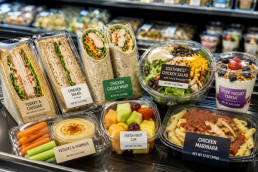
Perhaps it would be helpful to take a step back and take a look at other channels where food is provided to learn from their success and recalibrate what success might look like for a growing foodservice category in a convenience store. Here are a few thought starters where a team might begin to re-imagine the opportunity with low capital and operational stress:
- Head to your local grocery store
Have you noticed the plethora of choices that strong regional grocers offer for ready-to-eat snacks, sandwiches, and meals? The explosion of yogurts, hummus, cut veggies/fruits, hard boiled eggs, ready to eat salads, sandwiches, wraps, meats, and cheeses are all grab and go items that are targeted to the same customer that convenience retailers are yearning to attract. I agree that a c-store might not want to dedicate the same footprint available to a grocery marketer, but I bet you can find 10 SKUs in that offering that has a decent shelf life and would make a great starter-offer for a smaller store.
- Who is making the food for your local school district or after school program?
Recently, I have had the opportunity to do some volunteer work in two of the largest food bank facilities in my region. I was surprised to learn that those facilities both had very sophisticated and modern kitchen facilities where they prepared and packaged sandwiches, salads and heat and eat meals for Meals on Wheels, local school district breakfast and lunch programs, and after school programs. Neither of these facilities were using their kitchens anywhere near capacity. Would it make sense to approach these nonprofits with an offer to help boost their financials by partnering with you in creating a few proprietary items that could boost your offering? This sounds like a win-win in the making!
- Where does the food served by airlines in major hubs come from?
In a past life, my company owned a foodservice commissary in a major metro area. One of our significant sources of outside income was making and packaging proprietary sandwiches and snacks for two major airlines in the area hub. It provided consistent and profitable revenue that supported our in-house business. If we look at the opportunity in reverse and research the provider of those products to airlines today, perhaps a proprietary line of similar food items for our stores which would provide additional revenue for them and the fresh SKUs we are looking for to enhance our offering.
- Successful and popular food truck purveyors are looking to expand
I know in my town, the first step a successful food truck entrepreneur looks to take after proving themselves in a community is a brick-and-mortar storefront. Perhaps a more logical step could be to partner with a local c-store retailer to offer their product in their locations. This could be done in a dark kitchen-type facility and possibly be shared with two or three other concepts to manage capital and operational costs.
Sure, there are many pieces of the puzzle to put together to make any of the above opportunities come to profitable reality: logistics, food safety, spoilage, food costs, etc. But the main point is, taking the first step in growing your share of the foodservice pie can be much less capital and operational intensive and risky. Take a fresh look at entrepreneurs selling food in your market, outside of our channel, and ask yourself: “How can I do that?”
MORE FROM VGN
Latest Vision Reports from VGNBROWSE VISION REPORTS
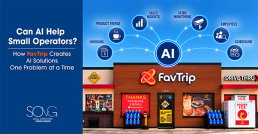
Can AI Help Small Operators? How Favtrip Creates AI Solutions One Problem at a Time
The September SOVG Vision Report explores how a small operator built practical AI tools to catch billing errors, streamline invoice reconciliation, spot trending products, and improve hiring, while offering a clear roadmap for other operators to start small, stay disciplined, and free up time for growth.

Strait Talk: The Outlook for the Global Energy Market
The Outlook for the Global Energy Market The September CLVG Vision Report examines a global energy market reshaped by refining capacity losses rather than crude oversupply. Analysts weigh hurricane risk against record refinery run rates, an uncertain Strait of Hormuz, and unpredictable Chinese demand, while offering strategies for retailers to diversify fuel supply and prepare for volatility.

From Signal to System: How C-Store IT Leaders Are Turning Data Into Operational Intelligence
The CTVG July Vision Report examines how c-store IT leaders can move beyond collecting and connecting data to building trustworthy infrastructure and leveraging AI to turn operational signals into actionable business insights. Topics include semantic layers, data governance, AI prompting best practices, hallucination risks, and real-world retailer experiments already delivering results.
Latest VGN Lens Articles
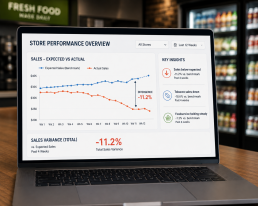
A Local Problem, and a Local Answer
Illegal tobacco sales often stay hidden in store data until losses are already severe. Operators can build an expected sales benchmark from existing POS data to catch illicit trade intrusion early, then turn that customer loss into a foodservice growth opportunity.

NACS Convenience Summit Europe in Warsaw Poland
Myra Kressner reflects on attending the NACS Convenience Summit Europe in Warsaw, Poland, where networking with VGN members and global retailers, along with store tours across fuel stations, convenience chains, and foodservice concepts, reinforced how customer experience and destination shopping continue to shape convenience retailing worldwide.
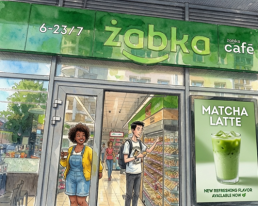
Generation Żabka: The Next Wave of Convenience
Lonnie McQuirter recounts a visit to Żabka Group's Warsaw headquarters, examining how the Polish convenience giant built retail media, app-based loyalty, and autonomous Nano stores into new growth engines. McQuirter draws transferable lessons for independent operators, from auditing fixed assets to finding the small, unglamorous gaps in a customer's day worth closing.