In February, Convenience Foodservice Vision Group explored current eating trends. The use and impact of GLP-1 weight loss drugs captured members’ attention. VGN dove deeper into the topic and shared additional data and critical actions that retailers should take. Read the full report, “Convenient Health Trends: Meeting Consumer Demands in Modern Eating.”
ACTIVE USERS:
- Quantifiable data varies about the percentage of Americans who are current users of GLP-1 drugs. While estimates range from as low as 6% of the U.S. population on GLP-1s, newer reports (KFF and RAND) suggest that usage is much higher at 12% to 15%.
- The current measured total of GLP-1 user population does not capture the total number of users taking compounded semaglutide or direct-to-consumer (DTC) telehealth versions that bypass traditional retail pharmacy tracking.
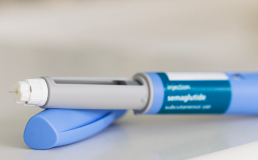
SIDE EFFECTS:
- Gastrointestinal issues (nausea, vomiting, diarrhea) have been the top reasons patients want to stop taking the drug and why they fail to reach the effective maintenance dose. Over 50% to 58% of GLP-1 users discontinue use within 12 months due to side effects. (User drop-off studies are from Blue Cross Blue Shield, Epic Research, and the Cleveland Clinic).
IMPACT OF COST FLUCTUATIONS:
- Recent data shows that cost and insurance changes are now the number one reason patients are forced to stop. Because many employers and insurers, including Medicare, tightened “prior authorization” or stopped covering the drugs for weight loss alone in 2025, there was a massive wave of discontinuations regardless of side effects.
- The new TrumpRx and Medicare Expansion, beginning in April 2026, will expand Medicare coverage for GLP-1s for seniors with obesity and at least one comorbidity like heart disease. Out-of-pocket copays for these seniors will be capped at $50/month, opening the door for millions of older Americans who were previously priced out of the $1,000+ per month market.
- Manufacturers Novo Nordisk and Eli Lilly have launched budget-tier “starter kits” and direct-pay programs, like TrumpRx and LillyDirect, to compete with the grey market, effectively lowering the entry price for cash-pay patients.
BROADER ACCESSIBILITY:
- The Wegovy pill was launched in January 2026, and others even earlier. This removes “needle phobia” as a barrier. Analysts expect a massive surge in users who were previously injection-hesitant but are comfortable with a daily tablet.
- GLP-1s are no longer just being prescribed as “diet drugs.” They are being officially prescribed for heart failure, sleep apnea, kidney and liver disease which significantly broadens the base of potential users.
IMPACT ON RETAIL FOOD SALES:
The impact on sales will vary with customer demographic playing a significant role. Users of GLP-1 drugs will effectively be “firing” certain food categories and “hiring” others. Effectively, consumers may be focusing on functional relevance of protein content, perceived satiety, digestive health, and nutritional efficiency. The research does not suggest a wholesale shift toward better-for-you products. Instead, it signals less food purchasing, fewer eating occasions, and lower tolerance for excess.
5 Critical Actions for Convenience Retailers to Adapt to GLP-1 Users
1 Prioritize high-turnover items near checkout with GLP-1 relevant products, such as:
- High-protein, nutrient-dense options – Greek yogurt, protein shakes, hard-boiled eggs, nuts, lean protein snacks, jerky, grilled chicken strips
- Low-sugar, and functional digestive health options – fiber-rich bars and snacks, low-sugar items
- Hydration alternatives – flavored sparkling water, unsweetened tea, electrolyte drinks
- Promote packages of bite-size candy instead of king size bars
2 Organize products into dedicated areas or create sections to support evolving customer needs and to make it easy for GLP-1 users to find what they want quickly.
- Designate areas like “Protein Fix,” “Digestive Health,” and “Hydration Station.”
- Cross-merchandise items like nuts with cheese or protein shakes with water.
3 Adjust promotions for smaller baskets.
- Bundle complementary items (e.g., jerky + nuts + water).
- Focus on value-driven offers to encourage repeat visits, such as loyalty rewards for purchasing healthier options.
4 Train staff to assist GLP-1 shoppers.
- Equip teams with simple substitution-selling tips (e.g., “Try this protein bar instead of chips”).
- Highlight top-selling items to drive sales.
5 Pilot changes and track results.
- Test a dedicated GLP-1 section or cooler, gather customer feedback, and monitor sales trends using POS data.
- Scale and refine based on performance.
MORE FROM VGN
Latest Vision Reports from VGNBROWSE VISION REPORTS

Soap, Suds, and Strategy: Car Wash Operators Map the Road Ahead
The November cwVG Vision Report recaps the inaugural meeting as members explored pertinent issues like turning single-wash buyers into subscribers, fuel discounts, and inflation. Members also discussed AI and data integration hurdles, skilled labor shortages, competition from express tunnels, water and energy costs, and the need for a unified industry voice.

Rewiring and Recharging: The Second Life of EV Batteries
The September evVG Vision Report explores how retired EV batteries can become valuable energy assets through second-life applications and recycling. Building trust through standardized battery health data, certification, and supportive policy will determine how much value the industry captures from the coming wave of retired batteries.
Reflect, Rethink, Reimagine: Looking Back to See What’s Next
The October CTVG Vision Report looks back on four years of convenience technology discussions to examine what has changed, how AI moved from experiment to everyday tool, why integration remains difficult, how stores can become destinations, and why people and execution determine whether technology delivers real value.
Latest VGN Lens Articles
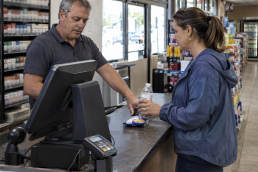
When Technology Isn’t Enough
Longtime industry facilitator Ed Collupy reflects on four years of convenience technology discussions and why turning new tools into business results remains a stubborn challenge. As capabilities look more alike across chains, execution, accountability, and organizational skills will set retailers apart, along with technology that blends into the background and frees employees to deliver memorable customer experiences.
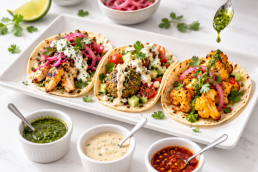
Thinking Inside the Box
Roy Strasburger explores how successful foodservice programs start with rethinking the problem. Drawing on a founder who reverse engineered a concept to fit a food court kiosk, learn why retailers should choose equipment and menus that work within their space rather than forcing an existing program into it, a shift that can protect quality and meet customer expectations.

Networking and Nuggets
Myra Kressner shares tidbits from her visit to the 2026 NACS Show, drawn from education sessions, general sessions, and keynote remarks. Highlights include advice on cultivating relationships, investing in your brand, creating raving fans, and being famous for something, all tied together by a shared sense of community across the convenience retail industry.