GCVG ALLY SUPPORTERS


Building Growth Beyond Fuel
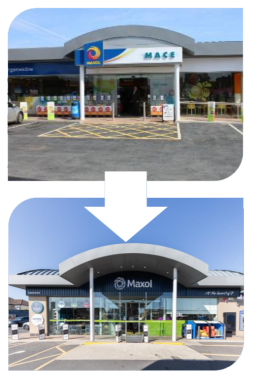
The first presentation was from Brian Donaldson, CEO of The Maxol Group, who delivered a presentation titled “Leading Transformational Change in Ireland,” outlining how the 106-year-old, family-owned Irish business is evolving from a fuel-led operator into a broader retail, foodservice, and convenience brand. Maxol operates across five core businesses — retail fuels, wholesale fuels, retail convenience, fuel cards, and lubricants — but the company’s growth story is increasingly being shaped by non-fuel revenue. In the Republic of Ireland, more than 40% of profitability now comes from non-fuel, driven by Maxol’s move away from a symbol-brand model and into its own proprietary offer.
“[AI] is a fantastic tool, but the retail database and your data lake that you need needs to be clean data for it to give you meaningful and insightful information.”

That shift began in earnest with the launch of Maxol Deli and ROSA Coffee, supported by grocery, bakery, off-license (a shop or business licensed to sell alcohol for consumption off the premises), loyalty and digital capabilities. ROSA Coffee was trademarked and launched in 2018, and coffee and foodservice are the principal traffic drivers for the shops. In 2026, Maxol expects to sell more than 5.3 million coffees and hot drinks, serve 771,000 customers per week, sell more than 1.4 million chicken fillet rolls, and wash more than one million vehicles.
Technology was a major theme throughout the presentation, from AI-supported pricing and operational dashboards to store design intelligence, digital menu boards, kiosks, allergen information, loyalty, and customer rewards. At Maxol’s Long Mile Road location in Dublin, a €4.5 million investment is putting Maxol’s newest thinking around efficient systems, smart operations, sustainability, and frictionless customer experience into action. AI is viewed as a tool to improve consumer and sales insight, space planning, product availability, ordering, and operational efficiency. Donaldson also stressed the importance of clean data to maximize AI’s potential and cybersecurity to protect the company’s data assets.

Maxol is also extending beyond the forecourt through its partnership with Noah’s, a digitally enabled delivery platform, taking grocery essentials and fresh food delivery to customers’ homes through aggregators such as Just Eat, Deliveroo, and Uber Eats. Early results of new technology platforms show strong growth and higher basket units, especially through in-store kiosks. The company is also launching Wash Club, an app-based car wash subscription, while continuing to expand conveyor wash availability and EV charging.
Maxol’s growth strategy mandates broader customer engagement and sustainability goals. Donaldson noted that the company continues to invest heavily in its retail offer. The Maxol loyalty app is becoming a larger part of that strategy, particularly as the company looks to expand its user base through partnerships such as Dunn Stores. At the same time, the company is continuing to invest to reduce energy consumption and its carbon footprint through solar, heat pumps, LED technology, energy management systems, and other smart devices.
Following Donaldson’s presentation, Mert Dünder, head of operational technology at Petrol Ofisi Group, asked how Maxol is proactively de-risking categories, as sugar and tobacco rules tighten across the EU. Donaldson pointed first to coffee and foodservice as the anchors of Maxol’s offer, explaining that the company has also reshaped its convenience range around what is most relevant to its customers. Planning restrictions in the Republic of Ireland, where pure convenience retail space is limited to 100 square meters, make every category decision more important. That constraint has pushed Maxol to build foodservice, seating, and everyday essentials within a smaller retail footprint while staying focused on offering the customer value.
Roy Strasburger, CEO of StrasGlobal, president of Compliance Safe, and Vision Group Network co-founder, then asked whether it has been difficult to keep their licensees engaged as Maxol has pushed forward on so many fronts. The answer reflected how much the Maxol retailer base has evolved. A decade ago, many operators were more forecourt-and car-care-focused, but investment in Maxol’s own brands and retail offer has attracted stronger independent retailers while encouraging existing partners to build new skills. Donaldson credited Maxol’s success to their wholesale partners, outside expertise, and the financial upside of stronger convenience execution, noting that “success breeds success.”
Focused on foodservice strategy, Theo Foukkare, CEO of the Australian Association of Convenience Stores (AACS), asked how Maxol balances major QSR partnerships with its own brands. Donaldson said smaller indigenous franchise brands had not delivered enough scale, while global brands such as Burger King can work in select locations where they operate directly on-site. The bigger opportunity, however, is private-label and self-operated franchise-style offers, including brands developed through Noah’s (such as Nova Pizza and Cheeky Chicken) and Zambrero, a Mexican food franchise, which licensees can operate efficiently.
Foukkare also asked about delivery pricing and whether orders are captured directly or through third parties. Donaldson explained that customers can order through aggregators or in-store, with delivery charges applied through the aggregator. Zsuzsa Hordai, head of strategic projects at SPAR International, reflecting on sites she had recently seen in Belfast, pointed to the strength of Maxol’s work with Henderson Eurospars and described the stores as “world class stores.” Her broader takeaway reinforced one of the themes of Donaldson’s presentation: “It’s partnerships that drive the business forward.” For convenience retailers, the comment underscored that even in competitive markets, strategic partnerships can help operators raise standards, expand capabilities, and strengthen execution across the network.
U.S. Convenience Retail at a Regulatory Crossroads
Next, Margaret Mannion, director of government relations at NACS (National Association of Convenience Stores in the U.S.), presented on the “Regulatory Pressure on Roadside Retail: The U.S. Perspective,” framing the U.S. convenience retail environment around four regulatory pressure points that are shaping the industry: vaping and nicotine products, credit card swipe fees, fuels and the energy transition, and food policy. Each issue carries its own operational and political complexity, but together they point to a market where retailers are being asked to manage uncertainty across core categories, payment costs, energy investment, and food access.
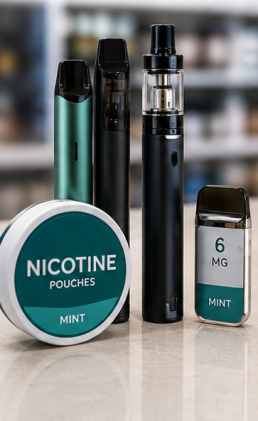

 On vaping and nicotine, Mannion described a regulatory system struggling to keep pace with the market. The FDA’s premarket tobacco application process is intended to determine whether products are appropriate for the protection of public health before they can be legally sold, but she said the vast majority of products now on U.S. shelves have not received that authorization. There been a flood of illicit products, much of it tied to small smoke and vape shops, and products coming from China. Even after Congress directed $200 million to FDA enforcement, unauthorized products remain widely available, and recent leadership changes at the agency have added more uncertainty.
 Swipe fees were presented as a major cost challenge and a uniquely American problem. U.S. convenience stores paid $21 billion USD in swipe fees in 2025, making it the industry’s second-highest operating cost after labor. Mannion pointed to Visa and Mastercard’s control of 83% of U.S. credit card volume and said the Credit Card Competition Act has gained bipartisan support, along with a presidential endorsement. Mannion also pointed to the broader consumer impact of swipe fees, noting that the average American family pays $1,200 USD a year in swipe fees, while rising fuel prices increase revenue for Visa, Mastercard, and banks rather than retailers.
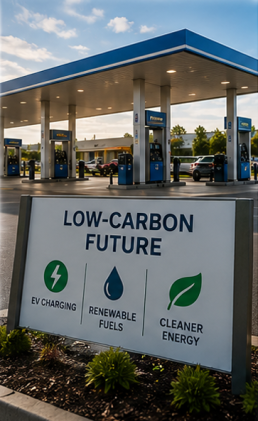
 Energy policy remains just as unsettled. Mannion emphasized that convenience and fuel retailers sell more than 80% of U.S. motor fuels, making the industry central to any energy transition discussion. Year-round sale of E15 fuel continues to stall in Congress despite broad support, while delays in National Electric Vehicle Infrastructure Program (NEVI) funding have created uncertainty for retailers that built EV charging plans around those funds. NACS also supported the reversal of California’s EV mandate, reflecting its technology-neutral position.
“We want to be able to sell whatever fuel our customers want to buy”

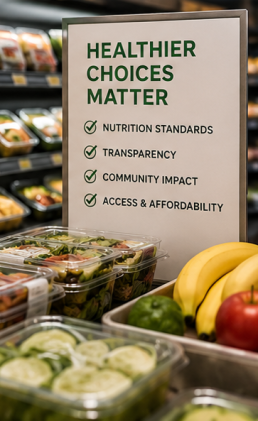
 Food policy may be changing most quickly. Mannion said the Trump administration’s “Make America Healthy Again” movement is pushing U.S. food policy closer to European-style scrutiny of additives, dyes, seed oils, and ultra-processed foods. At the same time, proposed changes to SNAP (food assistance program for low-income Americans) could push small-format retailers out of the program, restrict what customers can purchase, and create a difficult patchwork of state-level compliance requirements for multistate operators.
When Tobacco Policy Fuels the Illicit Market
Following Mannion, Foukkare delivered his presentation, “Australian Experience: From Global Leader to Global Failure in Tobacco Control,” focusing on Australia’s tobacco control experience as a cautionary case for convenience retailers and policymakers in other markets. Australia was once viewed as a global leader in tobacco control, with plain packaging, full-color health warnings, marketing and promotion bans, in-store display bans, outdoor smoking restrictions, age-restricted access, aggressive excise policies, a doctor- and pharmacy-only model for vaping and bans on flavors and larger pack sizes. These measures were intended to reduce adult smoking rates, but Foukkare argued that the policy framework has now created conditions that are highly attractive to organized crime.
The central issue is the widening price gap between legal and illegal nicotine products. Legal cigarettes now cost between $40 and $50 AUD per pack, while illegal packs can sell for as little as $7 to $15 AUD. At the same time, vaping is restricted to a prescription model, and next-generation products are banned. That combination has pushed consumers toward illicit channels and created a lucrative market for criminal groups. The consequences from criminal involvement have included more than 300 fire bombings, three murders, threats, violence, and standover (a form of extortion in Australia) tactics affecting specialist tobacco stores, independent grocery stores, and the broader retail environment. “This might look like a movie, but it’s actually reality,” he said.
“This is what policy failure looks like, and I urge every end market to take this into account.”
For convenience retail, the impact has been severe. Tobacco once represented just over 40% of in-store sales, but it has fallen to 17%, with the industry losing around $2.5 billion AUD over five years. Foukkare said that by mid-2026, seven in 10 adults who consume tobacco are buying it illegally, affecting footfall, basket size, and associated purchases. Vaping has also surged, with around 1.7 million adult users, but only a small percentage using the prescription model.
The presentation also framed the crisis as a public policy failure. Tobacco excise revenue has fallen from a high of around $16 billion to $5 billion AUD per year and is forecast to fall further. Despite what Foukkare described as a whole-of-government approach and $1 billion AUD spent over five years, the illegal market has nearly doubled. AACS is advocating a five-point plan: reduce excise, regulate vaping and next-generation products for retail, create one legislative framework, establish one enforcement body, and shut down direct-to-consumer websites selling illegal nicotine products. Foukkare also noted that while enforcement tools vary by state, closure orders have been the only measure to make a real impact, allowing stores found selling illegal products to be shut down immediately for three months, and then for 12 months if they reoffend.
Foukkare closed by underscoring that Australia’s illicit tobacco crisis has become a whole-store retail problem, not simply a tobacco problem. With the industry generating about $10 billion AUD in non-fuel retail sales, the loss of $750 million AUD in one year pushed overall retail performance into negative growth, showing how quickly a major category shift can affect traffic, baskets, and the broader convenience model. As Foukkare warned, “The impact it can have is quite remarkable.”

The Pressure on Germany’s Independent Fueling Stations
“56% of all sales are being done in the shop and only 35% remain in the fuel business. Out of that 56%, 66.6% are with cigarettes, tobacco, and everything connected with that. So we really depend on that.”

Regulatory pressure is building on several fronts. Germany’s planned sugar tax would create a tiered manufacturer levy on soft drinks, energy drinks, and iced tea, raising the price of a standard can of cola by approximately 11 cents. At the same time, the EU’s reform of the Tobacco Products Directive could bring plain packaging, larger health warnings, and flavor bans for e-cigarettes. Kaddik said trade associations are warning that these measures could push consumers toward the black market, particularly as counterfeit tobacco is already visible in parts of Germany, especially near eastern borders.

In May’s VGN Lens monthly newsletter, GCVG Facilitator Christian Warning provided an overview of Germany’s new fuel pricing rule. Read the full article, “Germany’s 12 O’Clock Rule – What U.S. Operators Need to Know” to hear what experts and retailers discussed on the topic and subscribe to The VGN Lens to receive thought leadership articles, notice of new Vision Reports and more.
Labor and taxation add further strain. Personnel costs can account for up to 68% of operating costs, and a move toward a €15 minimum wage threatens the economics of 24/7 service. That pressure is accelerating interest in unmanned and automated stations. Kaddik also criticized erratic fuel pricing rules, including a once-daily price increase policy that he described as “German over-engineering at its best,” citing technical delays between POS systems, pumps, and regulatory reporting. Combined with high fuel taxes, CO2 pricing, greenhouse gas quota penalties, and fuel discount disruptions, the German market is becoming a high-tax, high-compliance environment for independent operators.
Kaddik also criticized erratic fuel pricing rules, including a once-daily price increase policy that he described as “German over-engineering at its best,” citing technical delays between POS systems, pumps, and regulatory reporting. Combined with high fuel taxes, CO2 pricing, greenhouse gas quota penalties, and fuel discount disruptions, the German market is becoming a high-tax, high-compliance environment for independent operators.
Kaddik also described how Germany’s temporary fuel tax discount created a practical pricing and inventory challenge for independent operators. Because retailers buy pre-taxed fuel, many had already paid the higher tax before prices were expected to fall at the pump, forcing members to absorb losses when customers expected immediate relief. He warned that the reverse could happen when the discount ends, with customers likely to buy heavily before prices rise again, potentially leaving stations dry and creating another financial hit for operators already working under tight margins.
Regulatory Patchwork, Advocacy, and the Limits of Product Bans
The discussion opened with a question from Dünder about how NACS responds when state, city, and national rules collide, particularly around flavor bans, nicotine caps, and short implementation windows. Dünder’s question focused on whether legal challenges or operator impact data had been more effective when regulatory timelines collapse.
Mannion emphasized that NACS has found value in showing lawmakers the unintended consequences of bans, explaining that the organization’s message is that “banning a product doesn’t mean the market for that product is going away.” Instead, the demand shifts into the black market, tax revenue declines, and customers move across city, county, or state lines to buy products elsewhere. The impact falls especially hard on small retailers that are trying to comply with the law while nearby illicit sellers continue operating outside the system.
Illicit Markets, Organized Crime, and Enforcement Failure

The conversation quickly broadened from U.S. regulatory fragmentation to Australia’s experience with illicit nicotine, tobacco, and alcohol. Foukkare described a market where criminal groups have moved beyond tobacco and nicotine into spirits, saying that 10% of total spirit consumption is now being supplied by the same groups in Australia. He also described an environment where illicit products are no longer hidden, with stores openly advertising illegal goods and using QR codes to continue selling even after closures.
Warning pressed the group on whether similar behavior was appearing elsewhere, asking which countries were closest to Australia’s experience. Foukkare said each market has different dynamics, but the key distinction is that most markets have adopted some form of tobacco harm-reduction product for consumers. Australia has not, which has intensified the damage to legitimate retailers through declining customer counts, falling basket size, and weakened store traffic.
The Search For an Off-Ramp
“[The U.S. doesn’t] know how to back off taxing everyone to death and essentially creating their own illicit market. You guys are ahead of the curve, unfortunately.”

Chris Hartman, vice president of fuels, advertising, and development at Rutter’s, helped move the discussion from diagnosis to solutions by asking what the “off ramp” might be for governments that have become dependent on high tobacco tax revenue while also creating the conditions for illicit markets. His question cut to the policy dilemma that once governments rely on that revenue, it becomes difficult to unwind the tax structure, even when the consequences are clear.
Foukkare answered that the argument in Australia has shifted from a health issue to a crime and organized crime issue. The industry has increasingly focused on the impact on frontline staff, including intimidation, threats, and violence. At the same time, some senior health advocates and economists are now beginning to align with the industry’s position. Still, the political barrier remains significant. Foukkare said the government has backed itself into a corner and may claim victory over “big tobacco” even if legal sales are simply replaced by illicit sales. His warning was that without a reset, the remaining legal market could continue to disappear.
Foodservice, Choice, and the Future Retail Model
Foodservice emerged as the clearest strategic response to regulatory pressure on traditional convenience categories. Warning asked whether the best defense for convenience retailers is to “play offense and go into foodservice,” particularly as legacy categories face increasing scrutiny. Foukkare agreed that foodservice is essential, but he also stressed that retailers cannot wait until legislation arrives to begin changing the model.
The broader lesson was that consumer choice can move the market before regulation does. Foukkare noted that beverages now account for 36% of total shop sales in the Australian convenience channel, and about half of that volume is zero or low sugar. Foodservice offers even more upside, but it requires time, operational discipline, and investment. As he put it, “you’re not going to become a QSR operator overnight.” The discussion underscored that operators across markets are reworking the traditional convenience model around foodservice, technology, supply chain, and shop-only traffic, even if each market is moving at its own pace.
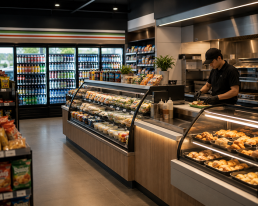
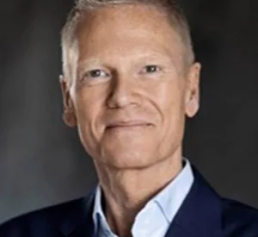
“We actually make a business case without tobacco sales at all, and if it doesn’t deliver the internal payoff and internal rent, we are not opening it.”
Final Reflection
Across markets, convenience retail is being reshaped by forces beyond traditional store operations. Regulation, taxation, illicit trade, labor pressure, energy transition policy, and changing consumer expectations are converging in ways that challenge long-standing business models. The strongest operators are not simply reacting to these pressures; they are actively rethinking the role of the store, the value of foodservice, the importance of partnerships, and the need for more resilient non-fuel revenue streams. Legacy categories may remain important today, but they cannot be assumed to provide the same foundation tomorrow. Future growth will depend on disciplined investment, operational flexibility, technology that improves execution, and a clearer understanding of where customers are moving next.
Video Presentation
Presentations (PDF format)
Brian Donaldson

Theo Foukkare

David Kaddik

Margaret Mannion

KEY TAKEAWAYS
- Retailers can no longer rely on fuel and tobacco as stable long-term foundations, even when those categories remain important to current sales, traffic, and profitability.
- Foodservice is emerging as one of the most important strategic paths for building resilience, but it requires sustained investment, operational discipline, and time to build customer trust.
- Product bans and restrictions do not necessarily eliminate consumer demand; instead, they can shift sales into black markets, reduce tax revenue, and hurt compliant retailers.
- Technology is becoming central to modern convenience retail, from AI-supported pricing, loyalty apps, kiosks, delivery platforms, and operational dashboards to store design, data capture, and energy management.
- Convenience retailers need to track early-warning metrics, including category volume, customer counts, basket size, items per basket, and customer comments, before regulatory or illicit-market disruption becomes severe.
- The strongest operators are preparing now by diversifying revenue, improving food and convenience offers, investing in technology, and building business models that can withstand regulatory and market disruption.
Contact info@vgnsharing.com if you’d like the meeting transcript.
Notable and Quotable
“Technology is absolutely key to how we connect and grow.”
“Seven in ten adults that consume tobacco are buying it illegally.”
“It’s partnerships that drive the business forward.”
“We have a very unique story to tell as convenience retailers that we’re on every street corner, we’re in every neighborhood, we’re in every community.”
“For many reasons, we started working on our food offering many, many years ago because we realized that if we didn’t, we would get out of business.”
“The shops indeed are the economic lifeblood of the retail stations.”
“Get the coffee right, get your freshly prepared food right, and have a range of everyday essentials that people can at least feed their families.”
Vision Group Network Global Summit
The 2026 VGN Virtual Global Summit will be attended by 100 VGN retail and Ally Supporter members, along with industry professionals across the globe in convenience, petroleum, mobility, technology, and foodservice sectors. The Summit will feature keynote speaker David Autor, widely recognized as one of the world’s leading labor economists.
WHEN: November 17, 2026 | 11:00 a.m. to 1:30 p.m. ET
WHERE: ONLINE
COST TO ATTEND: Free
GCVG Members


Agnieszka Bobrukiewicz, Board Member of Orlen Unipetrol, Dir. Non-fuel Segment for ORLEN S.A
ORLEN Unipetrol a.s.
AGNIESZKA BOBRUKIEWICZ is a member of the ORLEN Unipetrol Group’s Board of Directors, responsible for retail in the Czech Republic, Hungary, Slovakia and Austria, and serves as Executive Director for the ORLEN Group’s non-fuel segment.
She is a senior executive with 20+ years of international experience in fuel and convenience retail and FMCG across Central and Eastern Europe. In her current roles, she oversees P&L for ORLEN retail operations in the Czech Republic, Slovakia, Hungary and Austria and leads the non-fuel business across seven markets: Poland, the Czech Republic, Slovakia, Hungary, Austria, Germany and Lithuania, shaping the ORLEN Group’s non-fuel strategy.
Agnieszka has a proven track record in driving business transformation, strengthening retail brands and delivering growth across fuel and non-fuel segments, including convenience and food. She has extensive experience leading cross-border teams, launching new formats and executing commercial strategies in highly competitive markets.
She focuses on innovation, customer experience and building high-performing teams that deliver sustained business impact.
Alongside her executive responsibilities, she has for many years actively supported women in business through close collaboration with foundations and women’s professional organizations, advancing leadership development, inclusion and equal opportunities across markets.

Joe Boyle, Chief Executive Officer
FRESHSTOP
Joe Boyle is the Chief Executive Office of FreshStop, a leading forecourt convenience store in South Africa - part of the Foo Lover’s Market Group. Joe began his career in Ireland, where he trained as an Apprentice Baker before emigrating to South Africa in 1983, Married with two children he settled in Nelspruit near his in-laws, he found employment with a construction company, contributing to the Sappi paper mill expansion at Ngodwana for nearly four years. His children's need for better educational opportunities prompted a move to Randburg, where his 3 child was born.
Entering the retail sector as a Bakery Manager at Hyperama Sandton, Joe quickly ascended to Specialty Food Manager. His ambition led him to a management training program that included an intensive two-year course akin to a mini MBA, culminating in a thorough 14-week retail overview with 17 challenging exams. Excelling in his studies, Joe graduated top of his class of 32, leading to a Buyer position at Hyperama's Head Office. He impressively grew his purchasing portfolio there from R1.5 million to over R100 million per month over six years.
In 1994, the he was appointed as Operations Manager at King Pie, a modestly sized franchise with 16 stores. Within three years, Joe ascended to the role of Managing Director as the brand expanded its presence to nearly 300 stores within South Africa and ventured globally with openings in Australia, New Zealand, Poland, and England.
Following King Pie's acquisition by Rebhold, subsequently renamed Mvelaphanda, the franchise met its profit targets ahead of schedule under Joe’s leadership. Simultaneously, sluggish growth and profitability issues at Royal Foods Services, another Rebhold subsidiary in Durban's contract catering sector, prompted shareholders to assign him to groom a new Managing Director for King Pie and oversee profitability and growth improvements at Royal Foods Services. Key to success was advancing the company's BEE rating and merging it with Sechaba Afrika. Joe’s efforts were instrumental in increasing annual turnover from R130 million to nearly R500 million over five years and reaching satisfactory profit margins. Cyril Ramaphosa, now President of South Africa, collaborated on this project.
While serving Royal Foods Services, they pursued an MBA from Wits University over two years and passed all courses but had to forgo the final paper due to a career transition.
In December 2004, Butterfield Bakery enticed Joe with an Operational Director role that included equity participation. Despite initial financial losses and challenging circumstances, his leadership led to a company turnaround. The goal was set by the primary shareholder to sell the company within three years at a value correlating with three to four years of pre-tax profits. This objective was met when Butterfield Bakery sold for more than triple its PBT after three years. After taking a two-month hiatus, Joe resumed his career at Fruit & Veg City in March 2008, taking on the role of Director for the FreshStop Brand, which initially included 14 stores. Since then, the brand has expanded to 330 franchised stores. The key goal was to develop and scale a robust business model designed to grow within the range of 300 to 400 stores throughout Southern Africa.
During Joe’s tenure with organisations such as Hyperama, King Pie, Royal Foods Services, and Butterfield, they actively participated in numerous professional development programs covering Marketing, Advertising, Sales, Project Management, Leadership, Emotional Intelligence, and Financial Management.
Joe has cultivated considerable networking connections and gained deep insights into his field by serving in various capacities across industry forums. His roles have included Council Member of the Franchise Association of South Africa, Vice President of the National Association of Catering Executives, Board Member of the Chamber of Baking in South Africa, and Treasurer of the Craft Bakers Association of South Africa. Additionally, he was appointed as a Board Member on the NACS (National Association of Convenience Stores) International Board.

Brian Donaldson, Chief Executive Officer
The Maxol Group
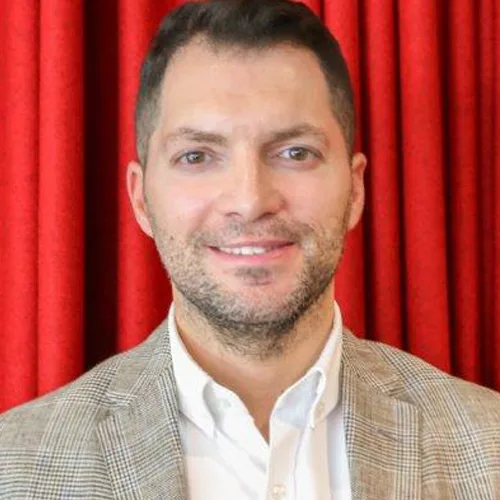
Mert Dunder, Head of Operational Technology
Petrol Ofisi Group
Results-driven manager with progressive experience gained in the competitive energy industry. Proven track record in several communication infrastructure, automation and operational technology activities, product development through project management, effective staff management. Expertise coupled with the development of strong customer and vendor relationships conductive to business growth. Demonstrates in-depth technical, analytical knowledge and strategic ability to facilitate operational and procedural planning – evaluating – assessing and managing the technology process.

Jorge Escuin-Rubio, Head of Strategy and Business Development – Mobility
REPSOL SA
With 30 years of experience in the energy sector, Jorge has spent almost his entire professional career in Repsol.
He began in 1994 in different sales and management positions in the Service Stations Business. He continued his professional growth by leading teams in Planning and Control Downstream Business, Regulatory Affairs, until he reached his current position as Director of Strategy and Business Development in the mobility area where, together with a great team, he works hard to provide customers with products and services wherever, whenever and however they need them.
An advocate of a fair energy transition, which ensures the promotion of efficient and sustainable mobility, from technological neutrality to excellence in customer experience, Jorge is leading the deployment of a new 100% renewable diesel at 1,500 sites in Spain and Portugal by the end of the year.
Over the last few years, he has also promoted the transformation of service stations in the Repsol group, with significant projects such as the creation of a new model of semi-proximity store, SuperCor Stop and Go, the set up the largest digital network of carwashes in Spain, Repsol Klin or several partnerships with leading brands such as El Corte Inglés, Amazon, Starbucks, Nespresso, Disney, …
He is also a member of the board of directors of Wible which is the car sharing company that Repsol has in Madrid, together with the Korean automaker KIA.
With a degree in Business Administration, he also holds an MBA from IESE business school.
Company description:
Repsol is a multi-energy company committed to a sustainable world with a forward-looking vision based on innovation and efficiency.
Repsol has a diverse team of more than 24,000 employees representing 79 nationalities who work across 29 countries.
They search for, produce, transform, and sell the oil and natural gas they obtain, in the knowledge that they need to meet both current and future energy needs.
Repsol is present throughout the entire energy value chain cycle, ranging from oil and gas exploration and production to low-carbon electricity generation and the production and marketing of energy solutions for the home, industry, and mobility.
It offers many solutions to meet society's essential needs, always guaranteeing the highest quality, safety, and efficiency of all its products and services, developed with the highest technological innovation. Repsol provides its customers with all the energy solutions they need for transportation, home, or business.
Repsol is Leading the energy transition with the aim of achieving the primary goal of becoming net zero by 2050. It relies on various lines of action in line with the targets set out in the Paris Agreement. To reach this goal, Repsol has set itself a demanding roadmap, including ambitious emissions reduction targets initially established in its 2021-2025 Strategic Plan and updated on Repsol ESG Day.
Digitization and technology are fundamental in meeting its goal of being a net-zero emissions company by 2050. It relies on digital technologies such as artificial intelligence, robotic process automation (RPA), cloud solutions, advanced data analytics, and more. In addition, Repsol boasts its research center, the Repsol Technology Lab, where more than 250 experts work on the development of new technological solutions for the energy industry's entire value chain.
Ambition, technology, and project execution enable Repsol to increase the speed at which they achieve this target.

Santiago Ferreccio, Head YPF FULL
YPF SA
Business Administrator with a Postgraduate degree in Business. Oriented to commercial management, operations, and new business development, with analytical thinking, negotiation, planning, and organization skills.
Vast experience with more than 20 years in Convenience Retailing, Sales, Marketing, and Operations, leading oil companies in the Argentine market. I emphasize my experience in the formation and management of heterogeneous client-oriented work teams, obtaining
results and providing advice. Member of the YPF Commercial School, training 1000+ employees.
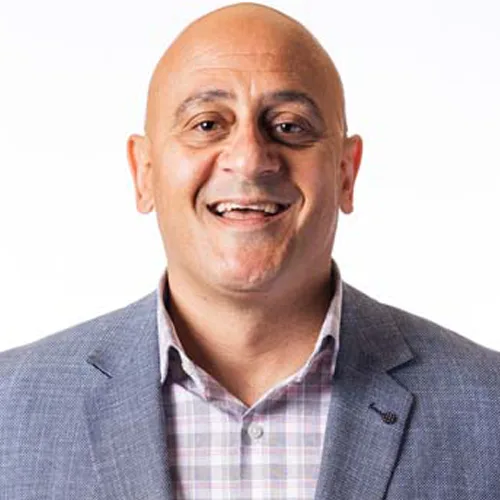
Theo Foukkare, Chief Executive Officer
Australian Association of Convenience Stores (AACS)
Theo Foukkare is the CEO of the Australian Association of Convenience Stores (AACS), bringing extensive leadership experience and strategic vision to the dynamic convenience retail industry.
Passionate about driving growth, innovation, and sustainability within the channel, Theo is a trusted voice for retailers, suppliers, government stakeholders & the media.
Theo’s collaborative approach ensures that AACS remains a leading advocate for the convenience channel, prioritizing both the success of legitimate businesses and the broader community’s needs. An experienced and strategic leader, Theo is committed to helping shape the future of Convenience in Australia through his advocacy, thought leadership, and focus on protecting the interests of the industry.
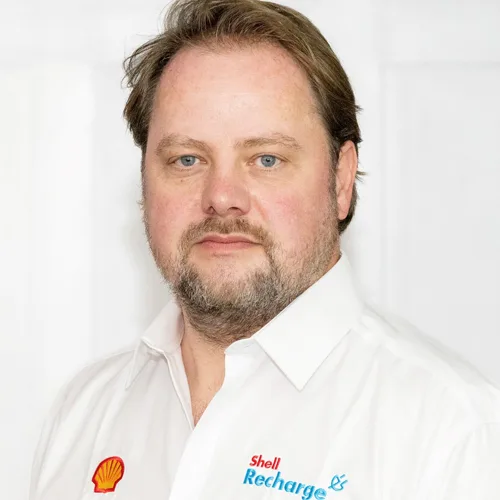
Edwin de Graaff, Global Head of Shop Format & Innovation at Shell Mobility & Convenience
Shell
Edwin is a seasoned executive with over 20 years of experience in Retail and Supply Chain Management. Currently, he serves as the Global Head of Shop Format & Innovation at Shell Mobility & Convenience, where he spearheads strategic initiatives for customer offerings, including the development of retail design of EV-Hub, Shell Café, modular store concepts, and many other projects. He also holds a position as the Director and Board Member of Shell TapUp B.V.
Throughout his career, Edwin has demonstrated exceptional leadership skills, leading teams of over 50 professionals and enhancing Shell's non-fuel retail capabilities. His leadership approach focuses on developing people, fostering a collaborative environment, and empowering his team to achieve their full potential. Edwin's strategic leadership in optimizing supply chain strategies has been instrumental in driving significant improvements and efficiencies.
Edwin's extensive retail expertise includes negotiating multi-billion-dollar deals and overseeing retail procurement globally for the retail supply chain. His leadership in contract negotiations and supplier relationship management has driven significant cost efficiencies and value creation.
Edwin holds executive education credentials from MIT, Wharton, and Kellogg, and has a background in Business Economics and Information Management. A persuasive communicator and thought leader, Edwin frequently represents Shell at industry events, sharing insights on convenience retail, innovation, future outlook, and business practices.
Outside of work, Edwin enjoys golf, hockey, cycling, and spending time with his wife and 3 children. He speaks 4 languages, Dutch, English, German and Spanish.

Christopher Hartman, VP of Fuels, Advertising, and Development
Rutter's
Chris is currently the Vice President of Fuels, Advertising, and Development for Rutter’s convenience stores, in York, PA, as well as President of M&G Realty. He is the 11th generation to work in the family business, dating back to the founding of the Rutter’s farm in 1747.
Chris grew up working in his family’s stores, beginning at age 13, while also attending and participating in various convenience store industry events for over 20 years.
In 2016, Chris moved to Washington D.C. to attend George Washington University’s Global MBA program, receiving his master’s degree in 2018, with a concentration in Finance. In July of 2018, Chris returned to his roots, joining Rutter’s as Director of Fuels and Forecourt, later adding Advertising, Construction and Real Estate acquisition to his responsibilities with the company.
In his free time, Chris enjoys travelling and golfing. He currently lives in York with his wife, Hilarie.

Zsuzsa Hordai, Head of Strategic Projects
SPAR International
With over 10 years of experience in international market development, strategy, e-commerce and AI, I am currently leading international strategic projects across SPAR worldwide, a leading global food retail organization with over 13,500 stores in 48 countries. I also coordinate and manage our development plans in the GCC region. My mission is to drive growth and innovation through collaboration across SPAR's diverse and dynamic markets, leveraging data, AI-driven insights, best practices, and the power of our network.
As a former International Retail Development Manager at SPAR International, I successfully led the strategic business development and expansion in Europe and China, launching new markets, developing omni-channel capabilities, and leading the global e-commerce action group. My strong background in consumer goods, retail, data, and AI, combined with certifications in Lean Six Sigma, communication and finance, enables me to create value for customers, partners, and stakeholders through effective and engaging solutions.
In addition to my professional roles, I am passionate about mentoring and coaching emerging leaders within the industry. I have guided numerous professionals in their career development, helping them to achieve their goals and excel in their roles. I am particularly committed to female empowerment and leadership, actively supporting initiatives that promote gender equality and the advancement of women in business.
My commitment to leadership extends to my engagement with industry bodies such as NACS, CGF, and the AI Council, where we collaborate to drive key initiatives within the grocery retail industry for a more sustainable and technologically advanced future.

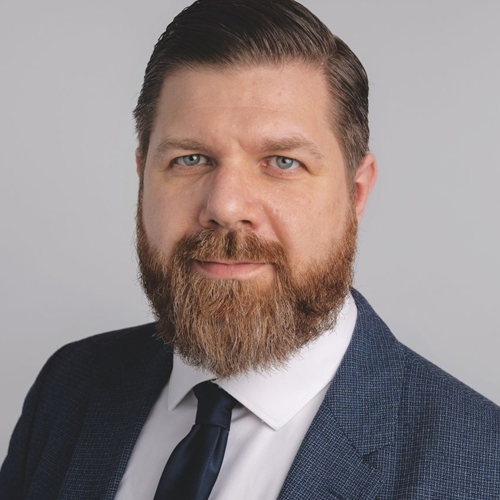
Daniel Kaddik, CEO
Bundesverband freier Tankstellen
Daniel Kaddik is Chief Executive Officer of bft – Bundesverband freier Tankstellen, the German Association of Independent Petrol Stations, which represents a network of 530 companies in the fuels sector. This segment of Germany’s Mittelstand comprises more than 2,800 petrol stations and over 27,000 jobs. In addition, he leads the eFuel Today project, which advocates for CO₂-neutral mobility. From 2023 to 2024, he also served as a member of the management board of MEW Mittelständische Energiewirtschaft Deutschland e.V., the German Association of Medium-Sized Energy Companies.
He is also a member of the Advisory Board of Automechanika, the world’s leading trade fair for the automotive aftermarket, and serves as a jury member for the “Petrol Station of the Year” award. In addition, he is a member of the Steering Committee of the Working Group on Monitoring Methodologies for CO₂-Neutral Fuels (WGMM), a cross-sector industry initiative that develops technical approaches for proving and monitoring the use of CO₂-neutral fuels in road transport.
Daniel Kaddik has 15 years of experience in politics, association work, think tanks and NGOs. During this time, he has worked with national and local governments, politicians and numerous NGOs in Germany, India, Russia, Central Asia, Southeastern Europe and at EU level. He is active as a political and strategic consultant for political parties, candidates and NGOs, and is co-founder and Managing Director of EZYcloud.org, a Salesforce implementation agency specializing in CRM solutions for NGOs.
From 2018 to 2022, Daniel Kaddik was Executive Director of the European Liberal Forum (ELF), the political foundation of the European Liberal Party, the ALDE Party. Together with its member organizations, ELF works across Europe to introduce new ideas into political debates, create platforms for discussion and encourage citizens to make their voices heard.
From 2012 to 2019, he headed the Southeastern Europe office of the Friedrich Naumann Foundation for Freedom, a non-profit organization that promotes liberal values, the rule of law and economic freedom. The foundation is active in more than 60 countries and provides political consulting and educational programs.
Prior to that, Daniel Kaddik worked for the foundation in Germany, India and Russia. He is actively committed to entrepreneurship as well as personal and political responsibility. His focus lies on liberal policy solutions, economics and the social sciences, as well as citizen participation in policymaking.
He holds degrees in Governmental Studies from the University of Erfurt, European Studies from the University of Hamburg and International Studies from the University of Birmingham.

Jesper Østergaard, CEO
Reitan Convenience Denmark A/S
7-ELEVEN DANMARK
- City stores, railway stores and gas stations (Uno-X)
- First 7-Eleven store in Denmark opened in 1993
- Market leader in the Danish convenience market
- High focus on food & beverages – including healthier choices
- "Convenience retailer of the year 2019”, NACS
- Won “the plant-based product prize 2021” for offering a large range of plant-based products nationwide
JESPER ØSTERGAARD
- CEO since 2006
- Value driven and very operational / customer centric
- Driven by achieving goals with the franchisees and the team


Nicolas Papadopoulos, Director New Markets
Verifone
Nicolas is Director of New Markets with extensive experience supporting petroleum retailers and convenience store operators across global markets. He specializes in driven growth through strategic partnerships, technology-enabled solutions and deep understanding of fuel, retail and payment ecosystems. Nicolas has served in various roles inside Verifone from product, sales and now responsible for growing Verifone's presence into new markets outside the US.

Claudio Reboredo, Partner - Owner
FGC Fuels Marketing
Claudio Reboredo, a seasoned international executive and entrepreneur, straddles diverse worlds as a consultant, speaker, and key industry figure. Currently, he holds the pivotal role of Relationship Partner for LATAM at NACS (National Association of Convenience Stores, USA).
Claudio's international prowess is evident in his 30+ years of experience within a multinational corporation, spanning varied stints across the UK, Colombia, Mexico, and the US. His expertise lies in navigating diverse industries like retail, oil and gas, and technology, having held leadership positions in sales, marketing, and operations.
Beyond corporate walls, Claudio leverages his acumen to guide prominent companies in Latin America through his consulting firm Core Crowd (www.corecrowd.net).
He is also the co-founder of FGC Fuels Marketing (www.fgc.company), a fuel wholesale and retail powerhouse in Argentina. FGC was the first Latin American business to win the NACS Convenience Retailer of the Year Award in 2023. We have also been recognized as Argentina's best retailer by Shell International and ranked second globally in the "The Best Foodvenience Store in the World 2024" competition.
A sought-after speaker at industry events, Claudio imparts insights on strategy and leadership. Driven by an insatiable curiosity and a passion for continuous learning, his career began in executive education, where he created SIMx (corecrowd.net/simx), a "business war" simulation model for mastering the intricacies of retail.
Claudio's literary debut, "El cuento del Liderazgo”, delves into inspiring stories to unveil the essence of true leadership.
He further lends his expertise as an advisor to the NACS International Board of Directors and the NACS LATAM committee, having previously served on the Coca Cola Retailing Research Council for Latin America.
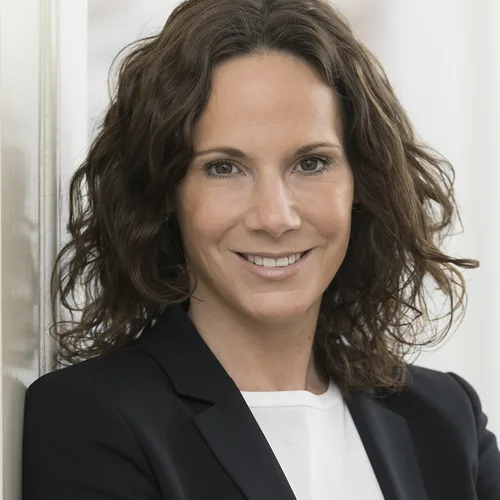
Jennifer Schmidt-Brekenfeld, Geschäftsführerin Tank & Rast GmbH
Autobahn Tank & Rast Gruppe GmbH & Co. KG
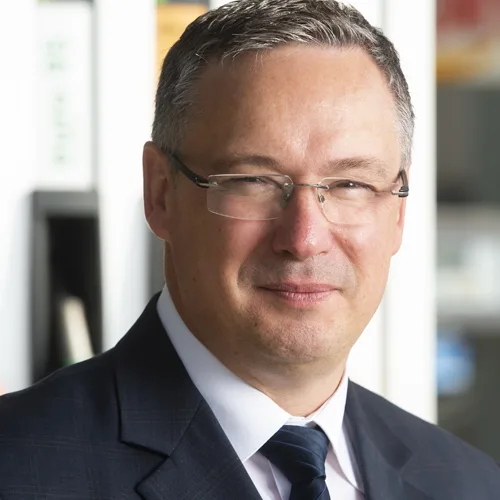
Patrick, Schnell, General Manager
Petro-Center SA / PC-Tank Sàrl
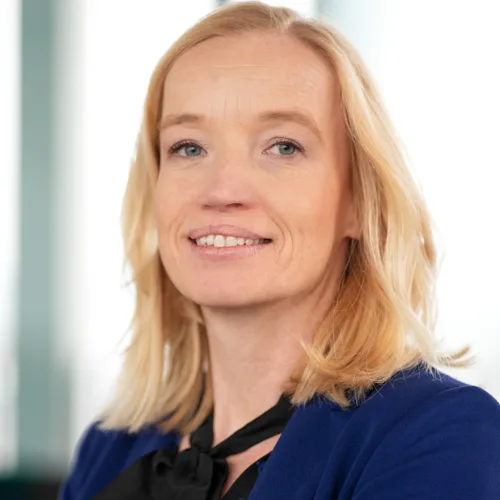
Sandra Schütte, Head of Mobility
Westfalen AG
Sandra Schütte has over 20 years of experience in the retail and food service sector, with more than 15 years of experience in the petrol station business. After graduating from the University of Bonn with a degree in “Dipl. Oecotrophologin” (Food Science and Oeconomics), she began her career as a product developer at a food agency. In 2008, she joined BP, where she held various positions in the areas of category management and sales. In her last position at BP, she was Global Food Service Manager, responsible for the food service strategy and a cross-border team. In November 2018, Sandra Schütte joined Westfalen AG, where she was responsible for convenience and car wash business of the Mobility division as Head of Convenience, Gastronomy and Services. On 1 January 2024, she took over overall responsibility for the Mobility division and became a member of Westfalen AG's management board.

GCVG Facilitator


Christian Warning, Founder and Managing Partner
The Retail Marketeers
Christian Warning is the founder and Managing Partner of The Retail Marketeers, a Hamburg (Germany) based consulting firm focused on retail convenience in its many forms. Christian, an alumni of the University of Hamburg , has for 13 years worked for Shell, eventually becoming the head of its billion-dollar non-fuel retail business in the German market. Following this, he oversaw the development of Germany’s largest convenience store franchise chain outside fuel stations at Deutsche Bahn (German railway). The Retail Marketeers are sought-after experts in the rapidly evolving roadside retail and mobility omnichannel business. The company uniquely combines a deep knowledge of daily operations with strategic insights while its boutique size guarantees focus and efficiency. Its ability to swiftly integrate retailer’s needs with vendor’s capabilities is at the core of a successful and cost-effective market-entry and transition strategy. For this, The Retail Marketeers create ideas and tailor-made processes, while putting clients in touch with just the right people to bring these ideas to life. Thirty plus years of hands-on industry best practice, together with an unprecedented network that encompasses manufacturers, wholesalers and pivotal company executives make the company a powerful ally for any convenience venture.
Christian is the chair of the Swiss Convenience Retail and forecourttech, the global leading pure tech focused matchmaking conference for the convenience & mobility industry.
Christian is the NACS Relationship Partner for German speaking markets (D-A-CH) and the proud host of the annual NACS Convenience Leaders Exchange in Hamburg. As an advisory board member to 2 global acting petrol station specialists he visits more than 1,000 gas stations and convenience stores in many different countries yearly.
Christian serves as the chairman for the mobility gastronomy vertical within the ICA Network in Germany. With more than 350 members, the ICA Executive Network is a strong community and sets standards as a networking platform where the top management levels of food service companies meet for regular events.
Become an Ally Supporter
Ally Supporters develop and nurture long term relationships with Vision Group members, playing an integral part in the discussion topics and member recruitment.
VGN Ally Supporters voices are heard in Vision Reports and websites, podcasts, social media, and industry media and events.
Be part of the conversation. Share Today to Shape Tomorrow. Become an Ally Supporter today!