GCVG ALLY SUPPORTERS


South Africa’s Fresh Stop Embodies Resilience
Boyle’s presentation focused on the lived experience of building and scaling FreshStop in South Africa under sustained pressure. FreshStop, launched in 2013 as a convenience retail brand under the Food Lover’s Market group, has grown into one of South Africa’s largest forecourt retail networks, with more than 400 locations nationwide.
FreshStop operates primarily through a franchise model and is closely integrated with Food Lover’s Market’s vertically developed fresh-food supply chain, which includes sourcing, distribution, and retail infrastructure. This integration has enabled FreshStop to bring supermarket-quality fresh and prepared food into smaller-format convenience environments, positioning the brand differently from traditional fuel-linked c-stores.
“It used to be that fresh fruit and vegetable was our differentiator at the c-stores, but looking at the turnovers, food has now become the biggest category and the biggest differentiator.”

Today, prepared food and food-to-go represent the primary drivers of both traffic and profitability across the network. Coffee programs and in-store food brands have been repositioned as core profit centers, rather than ancillary offers. Boyle noted that this shift has improved gross margins while also strengthening the economic model for franchisees, creating clearer incentives for reinvestment and site upgrades.
At the same time, FreshStop’s experience illustrates the operational complexity of serving a highly bifurcated customer base. In South Africa, as in many markets, one segment of consumers is intensely price-sensitive, while another is willing to pay for quality, freshness, and experience. FreshStop’s response has been to layer value-driven promotions alongside premium fresh and prepared offerings within the same store environment, increasing both operational demands and merchandising complexity.
Labor dynamics further compound this challenge. Wage pressure, which Boyle described as structural rather than cyclical, has required ongoing focus on productivity and efficiency at the store level. Investments in training, process design, and selective technology deployment have been necessary to support a more food-centric model without eroding margins.
Technology and infrastructure decisions, however, remain a point of tension. Boyle cautioned that not all technology investments deliver meaningful returns, particularly in environments where integration costs are high and systems are difficult to scale. In this context, FreshStop has taken a pragmatic approach, prioritizing solutions that directly improve throughput, reduce waste, or enhance the customer experience, while avoiding what he characterized as “theatre” investments.
“One of our big concerns is running out of water. Cape Town, three years ago, was one of the first big cities in the world that was almost out of water. And if we look now, we’re in a tight spot this year again. So, we’ve done a lot of work around saving water, but we haven’t really built anything to maximize infrastructure, so we’re a little bit tight with that”
The physical infrastructure of the forecourt itself is also under pressure. While fuel remains a core component of the business, Boyle emphasized the uncertainty surrounding long-term demand as energy transition dynamics evolved. At the same time, more immediate infrastructure risks, particularly water availability, are already affecting operations.
Boyle’s presentation positioned FreshStop as an example of how a convenience retailer is actively restructuring its business in response to sustained, overlapping pressures. The company’s emphasis on food-led growth, vertically integrated supply, and operational resilience reflects a broader shift in how profitability is being redefined in roadside retail.
Boyle shared three videos during his presentation and can be viewed in the presentation video at the end of this summary.
Structural Disruption Is Forcing a Redesign of the Business Model
Warning opened the session by reiterating the six pressure zones also noted by Boyle: the energy transition, margin erosion in traditional categories (fuel, tobacco, and snacks), technology integration, labor economics, global uncertainty, and regulatory change. He emphasized the need for retailers to protect current profitability while simultaneously redesigning their business models for a future less dependent on fossil fuels.
Across global markets, meeting participants aligned on a fundamental shift: the traditional convenience model is no longer structurally stable. Declining fuel demand, regulatory pressure on tobacco, and changing consumer habits are eroding the reliability of legacy revenue streams.
GCVG operators noted that this is not a future problem. It is already playing out unevenly across regions. In more advanced markets, reduced fuel visits and regulatory tightening are directly impacting traffic, forcing retailers to reconsider the role of their physical networks. At the same time, competition from supermarkets and other channels is intensifying, particularly as those players leverage larger baskets and pricing flexibility.
Jesper Østergaard, CEO of Reitan Convenience Denmark A/S, noted that while Scandinavian markets are more advanced in food sales, they are also facing acute disruption, including tobacco legislation that could impact up to one-third of revenue and an accelerating EV transition that is reducing store visits as charging shifts to the home. He also highlighted rising theft at self-checkout, linked to broader cost-of-living pressures. Claudio Reboredo, partner/owner of FGC Fuels Marketing in Argentina, cited location as a challenge, noting that a significant portion of existing networks may not be suited to a food-led future and will require repositioning or an exit.
Rebuilding the Profit Model Through Food, Experience, and New Revenue Streams
In response to declining legacy categories, the discussion centered on how retailers are actively rebuilding their profit models. Foodservice emerged as the most consistent and scalable growth driver, with several participants describing a shift toward premium, destination-based offers designed to increase dwell time and spend.
Brian Donaldson, CEO of The Maxol Group in Ireland, described a large-scale repositioning effort across more than one hundred sites, focused on food and coffee to attract younger consumers. This includes expanding premium beverage offerings, trialing evening delivery menus, and broader home delivery capabilities, and introducing a car wash subscription model to increase loyalty and reduce friction. General Manager of Luxembourg’s Petro-Center SA/PC-Tank Sàrl Patrick Schnell similarly noted a shift toward central kitchens and higher-quality food, while also highlighting localized traffic drivers such as in-store flower shops.
“Just by extending the opening hours of our deli by about three hours, we’ve seen a 20% increase in terms of revenue”

This profitability shift requires more than incremental change. These retailers noted they are redesigning stores, extending operating hours, and investing in higher-quality food, beverage, and service experiences. In some cases, this includes moving away from traditional categories entirely in favor of food-focused concepts or hybrid retail formats.
Beyond food, members highlighted a broader mix of emerging profit pools, including coffee programs, private-label products, car-wash subscriptions, and home delivery. These initiatives are not standalone. They are part of a more integrated ecosystem designed to increase customer frequency, loyalty, and share of wallet.
Reboredo added that his organization is actively pivoting toward smaller “finger food” formats and travel centers, moving away from fuel, tobacco, and sugar as primary drivers.
At the same time, success depends on execution. Several emphasized that quality, consistency, and differentiation are critical, particularly as consumers become more selective and willing to pay a premium only when the experience justifies it.
Balancing Efficiency, Technology, and Customer Connection
Labor costs, productivity, and technology adoption emerged as tightly linked challenges. Rising wage pressure is forcing operators to look for efficiency gains, but there is clear tension around how far automation should go.
Many noted that while self-checkout, digital tools, and data-driven systems can improve efficiency, they also risk eroding one of convenience retail’s core advantages: personal connection. Maintaining that local, service-oriented experience remains a key differentiator, particularly against larger, more automated retail formats.
Nicolas Papadopoulos, director of new markets at Verifone, added that while integration across loyalty, payments, and foodservice is relatively seamless in the U.S. due to established standards, international markets remain highly fragmented. This creates added complexity, cost, and time requirements when integrating across payment processors and technology partners. Mert Dünder, head of operational technology at Petrol Ofisi Group in Turkey, emphasized the scale of opportunity within customer data, describing it as a “gold mine,” but noted that many operators have yet to fully turn that data into meaningful insights that improve loyalty programs and day-to-day operations.
The discussion underscored that there is no single solution. As Dünder highlighted the untapped potential of customer data, and Warning cautioned against over-automation, operators must strike a balance between efficiency and experience, using technology where it adds value without eroding the human elements that drive customer loyalty. As Donaldson highlighted in discussing social media engagement and younger consumers, and Østergaard demonstrated through in-store “innovation corners,” these tools are becoming increasingly important for staying relevant and testing new concepts quickly.

“The goal isn’t just collecting data but turning it into real business value for us.”
Capital Allocation and Operating in a Multi-Speed Transition
Underlying all these themes is a growing challenge around capital allocation. As Donaldson described in reviewing his company’s network, retailers are being forced to make increasingly complex decisions about where to invest for future growth versus where returns are likely to decline. This includes identifying sites with strong potential for foodservice and convenience expansion, while reassessing others that may no longer justify continued investment.
At the same time, the consumer demand transition is not unfolding uniformly across markets. Østergaard pointed to rapid EV adoption in Scandinavia, where declining fuel visits are already reshaping traffic patterns, while Donaldson noted a slower pace of change in Ireland due to infrastructure constraints. These differences make it difficult to apply a single strategy, requiring operators to plan for multiple scenarios simultaneously.
For some, these decisions are becoming increasingly stark. Reboredo emphasized that a significant portion of existing networks may not be viable in their current form, particularly sites that were built around fuel-driven demand and lack the scale or demographics to support a transition to food-led or experience-based formats.
As a result, retailers are navigating difficult tradeoffs: which sites to invest in, which to reposition, and which may ultimately need to be exited. The need for flexibility, disciplined capital deployment, and ongoing reassessment of network strategy is becoming increasingly critical. These decisions are further complicated by uneven market dynamics, reinforcing the need for market-specific approaches rather than a single global playbook.
“Probably half of our networks are going to be out of business because they are not a fit for a very high foodservice level, but…on the other side where we hit the premium side with the right offer, that business is booming. “
Final Reflection
As the industry moves deeper into this period of market specific structural transformation, success will depend on retailers’ ability to make disciplined investment decisions while continuously adapting to shifting market conditions. The implication is clear: stores built purely around fuel-driven traffic are increasingly at risk. The path forward will require not just operational excellence, but a willingness to rethink the role of the convenience store in a rapidly evolving ecosystem.
Joe Boyle Video Presentation
GCVG Meeting Presentation (PDF)

KEY TAKEAWAYS
- Reassess site-level viability now, not later. Evaluate each location against future traffic drivers (food, experience, EV behavior), not legacy fuel assumptions, and begin identifying which sites to invest in, reposition, or exit.
- Accelerate the shift to food as the primary profit engine. Move beyond incremental upgrades and invest in quality, consistency, and formats that position food as a destination, not a supporting category.
- Extend dayparts to unlock underutilized revenue. Expanding operating hours, particularly in foodservice, can drive meaningful top-line growth with relatively low incremental investment.
- Build an integrated ecosystem of revenue streams. Combine food, coffee, private-label, car-wash subscriptions, and delivery into a coordinated strategy to increase frequency, loyalty, and share of wallet.
- Localize offers while maintaining scalable frameworks. Standardize core systems and infrastructure but allow flexibility at the store level to adapt to regional tastes, behaviors, and demand patterns.
- Use customer data as a strategic asset, not just a reporting tool. Invest in turning loyalty and transaction data into actionable insights that drive personalization, pricing, and operational decisions.
- Prioritize technology that delivers measurable ROI. Scrutinize investments in POS, loyalty, and digital platforms to ensure they improve productivity or customer experience.
- Plan for fragmented and uneven market transitions. Develop multiple scenarios for EV adoption, regulation, and consumer behavior, and avoid relying on a single global strategy.
- Balance automation with human connection. Implement efficiency tools where they reduce friction but preserve service elements that differentiate convenience retail from larger, impersonal formats.
- Move faster to stay relevant with changing consumer expectations. Shorten decision cycles, test new concepts quickly, and keep pace with emerging trends, particularly among younger consumers, where expectations around product, experience, and engagement are evolving rapidly.
- Keep the big picture in mind. Look for structural changes that might affect your business such as energy costs, resource rationing (such as water), permanent changes to the labor market, and changes to wage and benefits structures that may have an impact on operational efficiency and costs.
Contact info@vgnsharing.com if you’d like the meeting transcript.
Notable and Quotable
“One of the advantages we have against big box retailers is the personal connection … we work with local independent retailers, employing people from the local area, serving the local community.”
“We see a huge increase in theft and all analysis points at the fact that because cost of living has just been increasing a lot the last couple of years, basically since COVID … So, more and more people believe, well, it’s OK to steal something because everybody else does it.”
“Integrating to payment processors outside the U.S. is fragmented; it takes time, money, and you really have to look at the ROI”
“We have thousands of stations right now and also tons of customers today, almost more than one million customers coming to our stations. It means a gold mine of data for us, and we have to create value from this data right now in order to get an ROI. And the question is, how do we integrate digital solutions?”
“As a company, we might no longer focus on fuels. Our business will be around food. But also, imagine we create a business for a 5-minute stop, and now we need to think about how we’re going to make people stop over 30 minutes.”
“We have every year a 5% to 10% increase in the food, and now I think 90% of our stations have a very nice food offer. We will be creating a central kitchen, also to deliver additional food products to the station. We didn’t have a big kitchen.”
“It’s a multitude of things that you have to redefine and become known for [in order for] those destinations and those locations to be viable, particularly when fuel will become a much smaller part of our business.”
“We have been working with loyalty for many years and as of today, I think 12% of the Danish population, including babies, are actually active members in our loyalty scheme. So, that’s really successful. We are currently redeveloping it. We are introducing a new app In August, but it is doing pretty well and our experience is that in times where people cut down on their spending because of a number of reasons, the loyal app users continue shopping more and more in our stores. We have used it when we do our we are measuring four times per year. One thing we are measuring is the customer’s perception of getting value for money in our stores. And at the same time, as people spend less and are more focused on buying cheap products, we see that we have actually succeeded in using our loyalty program in terms of offering customer propositions to our most valued customers, which has changed the perception of value in our stores, so we’re using it in many ways. It’s really helpful.”
GCVG Members

Joe Boyle, Chief Executive Officer
FRESHSTOP
Joe Boyle is the Chief Executive Office of FreshStop, a leading forecourt convenience store in South Africa - part of the Foo Lover’s Market Group. Joe began his career in Ireland, where he trained as an Apprentice Baker before emigrating to South Africa in 1983, Married with two children he settled in Nelspruit near his in-laws, he found employment with a construction company, contributing to the Sappi paper mill expansion at Ngodwana for nearly four years. His children's need for better educational opportunities prompted a move to Randburg, where his 3 child was born.
Entering the retail sector as a Bakery Manager at Hyperama Sandton, Joe quickly ascended to Specialty Food Manager. His ambition led him to a management training program that included an intensive two-year course akin to a mini MBA, culminating in a thorough 14-week retail overview with 17 challenging exams. Excelling in his studies, Joe graduated top of his class of 32, leading to a Buyer position at Hyperama's Head Office. He impressively grew his purchasing portfolio there from R1.5 million to over R100 million per month over six years.
In 1994, the he was appointed as Operations Manager at King Pie, a modestly sized franchise with 16 stores. Within three years, Joe ascended to the role of Managing Director as the brand expanded its presence to nearly 300 stores within South Africa and ventured globally with openings in Australia, New Zealand, Poland, and England.
Following King Pie's acquisition by Rebhold, subsequently renamed Mvelaphanda, the franchise met its profit targets ahead of schedule under Joe’s leadership. Simultaneously, sluggish growth and profitability issues at Royal Foods Services, another Rebhold subsidiary in Durban's contract catering sector, prompted shareholders to assign him to groom a new Managing Director for King Pie and oversee profitability and growth improvements at Royal Foods Services. Key to success was advancing the company's BEE rating and merging it with Sechaba Afrika. Joe’s efforts were instrumental in increasing annual turnover from R130 million to nearly R500 million over five years and reaching satisfactory profit margins. Cyril Ramaphosa, now President of South Africa, collaborated on this project.
While serving Royal Foods Services, they pursued an MBA from Wits University over two years and passed all courses but had to forgo the final paper due to a career transition.
In December 2004, Butterfield Bakery enticed Joe with an Operational Director role that included equity participation. Despite initial financial losses and challenging circumstances, his leadership led to a company turnaround. The goal was set by the primary shareholder to sell the company within three years at a value correlating with three to four years of pre-tax profits. This objective was met when Butterfield Bakery sold for more than triple its PBT after three years. After taking a two-month hiatus, Joe resumed his career at Fruit & Veg City in March 2008, taking on the role of Director for the FreshStop Brand, which initially included 14 stores. Since then, the brand has expanded to 330 franchised stores. The key goal was to develop and scale a robust business model designed to grow within the range of 300 to 400 stores throughout Southern Africa.
During Joe’s tenure with organisations such as Hyperama, King Pie, Royal Foods Services, and Butterfield, they actively participated in numerous professional development programs covering Marketing, Advertising, Sales, Project Management, Leadership, Emotional Intelligence, and Financial Management.
Joe has cultivated considerable networking connections and gained deep insights into his field by serving in various capacities across industry forums. His roles have included Council Member of the Franchise Association of South Africa, Vice President of the National Association of Catering Executives, Board Member of the Chamber of Baking in South Africa, and Treasurer of the Craft Bakers Association of South Africa. Additionally, he was appointed as a Board Member on the NACS (National Association of Convenience Stores) International Board.

Brian Donaldson, Chief Executive Officer
The Maxol Group
Mert Dunder, Head of Operational Technology
Petrol Ofisi Group
Results-driven manager with progressive experience gained in the competitive energy industry. Proven track record in several communication infrastructure, automation and operational technology activities, product development through project management, effective staff management. Expertise coupled with the development of strong customer and vendor relationships conductive to business growth. Demonstrates in-depth technical, analytical knowledge and strategic ability to facilitate operational and procedural planning – evaluating – assessing and managing the technology process.

Jorge Escuin-Rubio, Head of Strategy and Business Development – Mobility
REPSOL SA
With 30 years of experience in the energy sector, Jorge has spent almost his entire professional career in Repsol.
He began in 1994 in different sales and management positions in the Service Stations Business. He continued his professional growth by leading teams in Planning and Control Downstream Business, Regulatory Affairs, until he reached his current position as Director of Strategy and Business Development in the mobility area where, together with a great team, he works hard to provide customers with products and services wherever, whenever and however they need them.
An advocate of a fair energy transition, which ensures the promotion of efficient and sustainable mobility, from technological neutrality to excellence in customer experience, Jorge is leading the deployment of a new 100% renewable diesel at 1,500 sites in Spain and Portugal by the end of the year.
Over the last few years, he has also promoted the transformation of service stations in the Repsol group, with significant projects such as the creation of a new model of semi-proximity store, SuperCor Stop and Go, the set up the largest digital network of carwashes in Spain, Repsol Klin or several partnerships with leading brands such as El Corte Inglés, Amazon, Starbucks, Nespresso, Disney, …
He is also a member of the board of directors of Wible which is the car sharing company that Repsol has in Madrid, together with the Korean automaker KIA.
With a degree in Business Administration, he also holds an MBA from IESE business school.
Company description:
Repsol is a multi-energy company committed to a sustainable world with a forward-looking vision based on innovation and efficiency.
Repsol has a diverse team of more than 24,000 employees representing 79 nationalities who work across 29 countries.
They search for, produce, transform, and sell the oil and natural gas they obtain, in the knowledge that they need to meet both current and future energy needs.
Repsol is present throughout the entire energy value chain cycle, ranging from oil and gas exploration and production to low-carbon electricity generation and the production and marketing of energy solutions for the home, industry, and mobility.
It offers many solutions to meet society's essential needs, always guaranteeing the highest quality, safety, and efficiency of all its products and services, developed with the highest technological innovation. Repsol provides its customers with all the energy solutions they need for transportation, home, or business.
Repsol is Leading the energy transition with the aim of achieving the primary goal of becoming net zero by 2050. It relies on various lines of action in line with the targets set out in the Paris Agreement. To reach this goal, Repsol has set itself a demanding roadmap, including ambitious emissions reduction targets initially established in its 2021-2025 Strategic Plan and updated on Repsol ESG Day.
Digitization and technology are fundamental in meeting its goal of being a net-zero emissions company by 2050. It relies on digital technologies such as artificial intelligence, robotic process automation (RPA), cloud solutions, advanced data analytics, and more. In addition, Repsol boasts its research center, the Repsol Technology Lab, where more than 250 experts work on the development of new technological solutions for the energy industry's entire value chain.
Ambition, technology, and project execution enable Repsol to increase the speed at which they achieve this target.

Santiago Ferreccio, Head YPF FULL
YPF SA
Business Administrator with a Postgraduate degree in Business. Oriented to commercial management, operations, and new business development, with analytical thinking, negotiation, planning, and organization skills.
Vast experience with more than 20 years in Convenience Retailing, Sales, Marketing, and Operations, leading oil companies in the Argentine market. I emphasize my experience in the formation and management of heterogeneous client-oriented work teams, obtaining
results and providing advice. Member of the YPF Commercial School, training 1000+ employees.

Theo Foukkare, Chief Executive Officer
Australian Association of Convenience Stores (AACS)
Theo Foukkare is the CEO of the Australian Association of Convenience Stores (AACS), bringing extensive leadership experience and strategic vision to the dynamic convenience retail industry.
Passionate about driving growth, innovation, and sustainability within the channel, Theo is a trusted voice for retailers, suppliers, government stakeholders & the media.
Theo’s collaborative approach ensures that AACS remains a leading advocate for the convenience channel, prioritizing both the success of legitimate businesses and the broader community’s needs. An experienced and strategic leader, Theo is committed to helping shape the future of Convenience in Australia through his advocacy, thought leadership, and focus on protecting the interests of the industry.
Edwin de Graaff, Global Head of Shop Format & Innovation at Shell Mobility & Convenience
Shell
Edwin is a seasoned executive with over 20 years of experience in Retail and Supply Chain Management. Currently, he serves as the Global Head of Shop Format & Innovation at Shell Mobility & Convenience, where he spearheads strategic initiatives for customer offerings, including the development of retail design of EV-Hub, Shell Café, modular store concepts, and many other projects. He also holds a position as the Director and Board Member of Shell TapUp B.V.
Throughout his career, Edwin has demonstrated exceptional leadership skills, leading teams of over 50 professionals and enhancing Shell's non-fuel retail capabilities. His leadership approach focuses on developing people, fostering a collaborative environment, and empowering his team to achieve their full potential. Edwin's strategic leadership in optimizing supply chain strategies has been instrumental in driving significant improvements and efficiencies.
Edwin's extensive retail expertise includes negotiating multi-billion-dollar deals and overseeing retail procurement globally for the retail supply chain. His leadership in contract negotiations and supplier relationship management has driven significant cost efficiencies and value creation.
Edwin holds executive education credentials from MIT, Wharton, and Kellogg, and has a background in Business Economics and Information Management. A persuasive communicator and thought leader, Edwin frequently represents Shell at industry events, sharing insights on convenience retail, innovation, future outlook, and business practices.
Outside of work, Edwin enjoys golf, hockey, cycling, and spending time with his wife and 3 children. He speaks 4 languages, Dutch, English, German and Spanish.

Christopher Hartman, VP of Fuels, Advertising, and Development
Rutter's
Chris is currently the Vice President of Fuels, Advertising, and Development for Rutter’s convenience stores, in York, PA, as well as President of M&G Realty. He is the 11th generation to work in the family business, dating back to the founding of the Rutter’s farm in 1747.
Chris grew up working in his family’s stores, beginning at age 13, while also attending and participating in various convenience store industry events for over 20 years.
In 2016, Chris moved to Washington D.C. to attend George Washington University’s Global MBA program, receiving his master’s degree in 2018, with a concentration in Finance. In July of 2018, Chris returned to his roots, joining Rutter’s as Director of Fuels and Forecourt, later adding Advertising, Construction and Real Estate acquisition to his responsibilities with the company.
In his free time, Chris enjoys travelling and golfing. He currently lives in York with his wife, Hilarie.

Zsuzsa Hordai, Head of Strategic Projects
SPAR International
With over 10 years of experience in international market development, strategy, e-commerce and AI, I am currently leading international strategic projects across SPAR worldwide, a leading global food retail organization with over 13,500 stores in 48 countries. I also coordinate and manage our development plans in the GCC region. My mission is to drive growth and innovation through collaboration across SPAR's diverse and dynamic markets, leveraging data, AI-driven insights, best practices, and the power of our network.
As a former International Retail Development Manager at SPAR International, I successfully led the strategic business development and expansion in Europe and China, launching new markets, developing omni-channel capabilities, and leading the global e-commerce action group. My strong background in consumer goods, retail, data, and AI, combined with certifications in Lean Six Sigma, communication and finance, enables me to create value for customers, partners, and stakeholders through effective and engaging solutions.
In addition to my professional roles, I am passionate about mentoring and coaching emerging leaders within the industry. I have guided numerous professionals in their career development, helping them to achieve their goals and excel in their roles. I am particularly committed to female empowerment and leadership, actively supporting initiatives that promote gender equality and the advancement of women in business.
My commitment to leadership extends to my engagement with industry bodies such as NACS, CGF, and the AI Council, where we collaborate to drive key initiatives within the grocery retail industry for a more sustainable and technologically advanced future.

Jesper Østergaard, CEO
Reitan Convenience Denmark A/S
7-ELEVEN DANMARK
- City stores, railway stores and gas stations (Uno-X)
- First 7-Eleven store in Denmark opened in 1993
- Market leader in the Danish convenience market
- High focus on food & beverages – including healthier choices
- "Convenience retailer of the year 2019”, NACS
- Won “the plant-based product prize 2021” for offering a large range of plant-based products nationwide
JESPER ØSTERGAARD
- CEO since 2006
- Value driven and very operational / customer centric
- Driven by achieving goals with the franchisees and the team
Sergio Padilla Navarro, Global Networks Director
FEMSA
With over 15 years of experience in Retail Transformation and Strategic Planning, Sergio is a results-driven leader dedicated to empowering teams and fostering innovation. He champions the power of collaboration, data-driven decision-making, and the continuous enhancement of value propositions as key drivers of organizational excellence and sustainable competitive advantage. Sergio is convinced that any successful Strategy is a learning journey that starts with a strong customer-centric belief.


Nicolas Papadopoulos, Director New Markets
Verifone
Nicolas is Director of New Markets with extensive experience supporting petroleum retailers and convenience store operators across global markets. He specializes in driven growth through strategic partnerships, technology-enabled solutions and deep understanding of fuel, retail and payment ecosystems. Nicolas has served in various roles inside Verifone from product, sales and now responsible for growing Verifone's presence into new markets outside the US.

Claudio Reboredo, Partner - Owner
FGC Fuels Marketing
Claudio Reboredo, a seasoned international executive and entrepreneur, straddles diverse worlds as a consultant, speaker, and key industry figure. Currently, he holds the pivotal role of Relationship Partner for LATAM at NACS (National Association of Convenience Stores, USA).
Claudio's international prowess is evident in his 30+ years of experience within a multinational corporation, spanning varied stints across the UK, Colombia, Mexico, and the US. His expertise lies in navigating diverse industries like retail, oil and gas, and technology, having held leadership positions in sales, marketing, and operations.
Beyond corporate walls, Claudio leverages his acumen to guide prominent companies in Latin America through his consulting firm Core Crowd (www.corecrowd.net).
He is also the co-founder of FGC Fuels Marketing (www.fgc.company), a fuel wholesale and retail powerhouse in Argentina. FGC was the first Latin American business to win the NACS Convenience Retailer of the Year Award in 2023. We have also been recognized as Argentina's best retailer by Shell International and ranked second globally in the "The Best Foodvenience Store in the World 2024" competition.
A sought-after speaker at industry events, Claudio imparts insights on strategy and leadership. Driven by an insatiable curiosity and a passion for continuous learning, his career began in executive education, where he created SIMx (corecrowd.net/simx), a "business war" simulation model for mastering the intricacies of retail.
Claudio's literary debut, "El cuento del Liderazgo”, delves into inspiring stories to unveil the essence of true leadership.
He further lends his expertise as an advisor to the NACS International Board of Directors and the NACS LATAM committee, having previously served on the Coca Cola Retailing Research Council for Latin America.

Jennifer Schmidt-Brekenfeld, Geschäftsführerin Tank & Rast GmbH
Autobahn Tank & Rast Gruppe GmbH & Co. KG
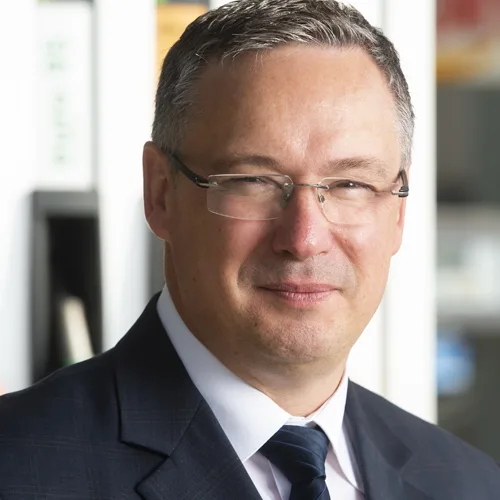
Patrick, Schnell, General Manager
Petro-Center SA / PC-Tank Sàrl
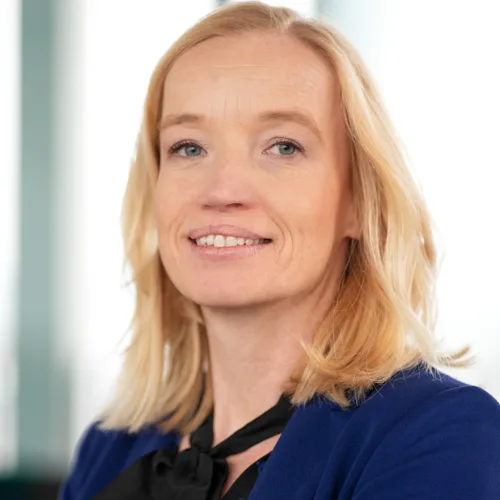
Sandra Schütte, Head of Mobility
Westfalen AG
Sandra Schütte has over 20 years of experience in the retail and food service sector, with more than 15 years of experience in the petrol station business. After graduating from the University of Bonn with a degree in “Dipl. Oecotrophologin” (Food Science and Oeconomics), she began her career as a product developer at a food agency. In 2008, she joined BP, where she held various positions in the areas of category management and sales. In her last position at BP, she was Global Food Service Manager, responsible for the food service strategy and a cross-border team. In November 2018, Sandra Schütte joined Westfalen AG, where she was responsible for convenience and car wash business of the Mobility division as Head of Convenience, Gastronomy and Services. On 1 January 2024, she took over overall responsibility for the Mobility division and became a member of Westfalen AG's management board.

GCVG Facilitator


Christian Warning, Founder and Managing Partner
The Retail Marketeers
Christian Warning is the founder and Managing Partner of The Retail Marketeers, a Hamburg (Germany) based consulting firm focused on retail convenience in its many forms. Christian, an alumni of the University of Hamburg , has for 13 years worked for Shell, eventually becoming the head of its billion-dollar non-fuel retail business in the German market. Following this, he oversaw the development of Germany’s largest convenience store franchise chain outside fuel stations at Deutsche Bahn (German railway). The Retail Marketeers are sought-after experts in the rapidly evolving roadside retail and mobility omnichannel business. The company uniquely combines a deep knowledge of daily operations with strategic insights while its boutique size guarantees focus and efficiency. Its ability to swiftly integrate retailer’s needs with vendor’s capabilities is at the core of a successful and cost-effective market-entry and transition strategy. For this, The Retail Marketeers create ideas and tailor-made processes, while putting clients in touch with just the right people to bring these ideas to life. Thirty plus years of hands-on industry best practice, together with an unprecedented network that encompasses manufacturers, wholesalers and pivotal company executives make the company a powerful ally for any convenience venture.
Christian is the chair of the Swiss Convenience Retail and forecourttech, the global leading pure tech focused matchmaking conference for the convenience & mobility industry.
Christian is the NACS Relationship Partner for German speaking markets (D-A-CH) and the proud host of the annual NACS Convenience Leaders Exchange in Hamburg. As an advisory board member to 2 global acting petrol station specialists he visits more than 1,000 gas stations and convenience stores in many different countries yearly.
Christian serves as the chairman for the mobility gastronomy vertical within the ICA Network in Germany. With more than 350 members, the ICA Executive Network is a strong community and sets standards as a networking platform where the top management levels of food service companies meet for regular events.
Become an Ally Supporter
Ally Supporters develop and nurture long term relationships with Vision Group members, playing an integral part in the discussion topics and member recruitment.
VGN Ally Supporters voices are heard in Vision Reports and websites, podcasts, social media, and industry media and events.
Be part of the conversation. Share Today to Shape Tomorrow. Become an Ally Supporter today!